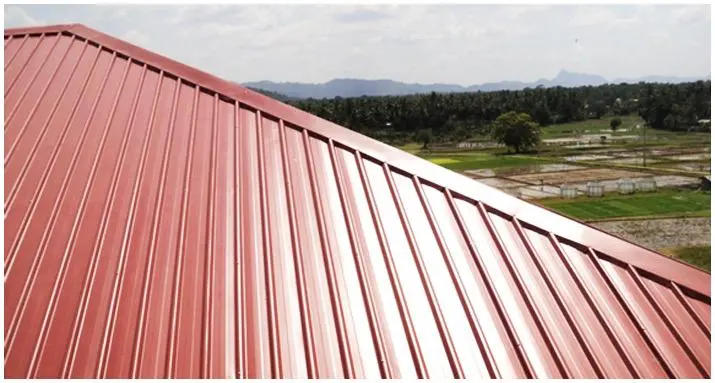
Estimated Reading Time: 6–8 minutes
Building a home in Sri Lanka—especially in rapid-growth residential hubs like Kotugoda, Gampaha, or Ja-Ela—requires a design strategy that respects the environment. Our tropical climate throws two major challenges at any building: relentless, high-volume monsoon downpours and intense, penetrating ambient heat.
Because the roof represents your home’s primary shield against these elements, choosing the right framework and materials isn’t just an aesthetic choice; it’s a critical structural engineering decision.


In this comprehensive guide, the engineering team at Jayasekara Construction & Roofing breaks down exactly what you need to know to build a durable, leak-proof, and cool roof.
1. Structural Steel Trusses vs. Traditional Timber
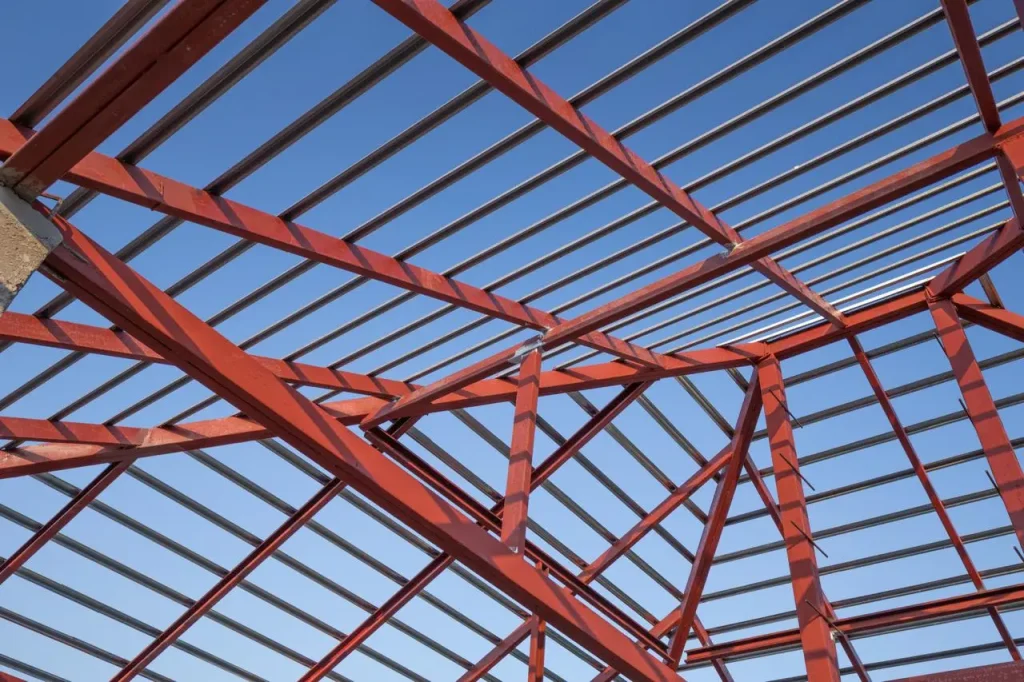
For generations, heavy timber framing was the default choice across Sri Lanka. However, modern construction shifts have made high-quality structural steel—specifically zinc-aluminum box bar frameworks—the industry standard for forward-thinking builds.
- The Problem with Timber: Sourcing premium, well-seasoned hardwood (like Teak, Mahogany, or Jak) has become increasingly expensive. Unseasoned timber is highly prone to warping, twisting, and termite infestations over time, which compromises the alignment of your roof tiles and causes persistent leaks.
- The Box Bar Advantage: Engineered zinc-aluminum box bar structures provide an incredibly high strength-to-weight ratio. They don’t warp under intense tropical heat, they are entirely immune to termites, and they allow for precise, clean geometric designs. Furthermore, because steel frames weigh significantly less than heavy timber, they reduce the overall dead load acting upon your home’s columns and foundations.
2. Combating the Heat: The Necessity of Thermal Barriers
Have you ever walked into the upper floor of a Sri Lankan house during midday and felt like you were walking into an oven? That is the result of radiant heat transfer. Your roof tile or roofing sheet absorbs solar radiation all day, acting like a giant radiator that pumps heat directly down into your living spaces.
At Jayasekara Construction, we treat thermal insulation as a mandatory component rather than an optional luxury. A high-performance heat barrier system requires a multi-layered approach:
- Double-Sided Aluminum Foil: This layer is installed directly beneath the roofing material to reflect up to $95\%$ of radiant heat away from the building interior.
- Heavy-Duty Bubble Wrap or Polyethylene Foam Insulation: This acts as a thick conduction barrier, slowing down any heat energy that manages to pass through the outer reflective foil.
- Modern Interior Ceilings: Whether utilizing gypsum board, mineral fiber, or specialized ceiling planks, a properly sealed interior ceiling creates a dead-air space (an attic gap) that further isolates your living areas from the hot roof framework above.
3. Monsoon-Ready Rainwater Management
A beautiful roof is completely useless if it fails to manage rainwater efficiently during a heavy inter-monsoon downpour. In regions like Kotugoda, where brief periods can see extreme volumes of water fall at once, standard, narrow gutters will quickly overflow, forcing water back underneath your roof tiles and directly onto your ceilings.
To prevent catastrophic water damage, Jayasekara Roofing implements heavy-gauge valance gutter architectures. These systems feature:
- Wider, deeper gutter profiles capable of handling high-volume runoff.
- Seamless, high-capacity downpipes spaced strategically to empty water away from the building’s foundation zones.
- Corrosion-resistant bracket assemblies designed to withstand structural stress when gutters are filled to maximum capacity.
The Bottom Line
When investing in your family’s lifelong home, cutting corners on the roof is a recipe for expensive, stressful repairs down the road. By combining lightweight engineered steel truss fabrication with comprehensive thermal insulation and robust drainage layouts, you ensure your home remains cool, dry, and structurally sound for decades to come.